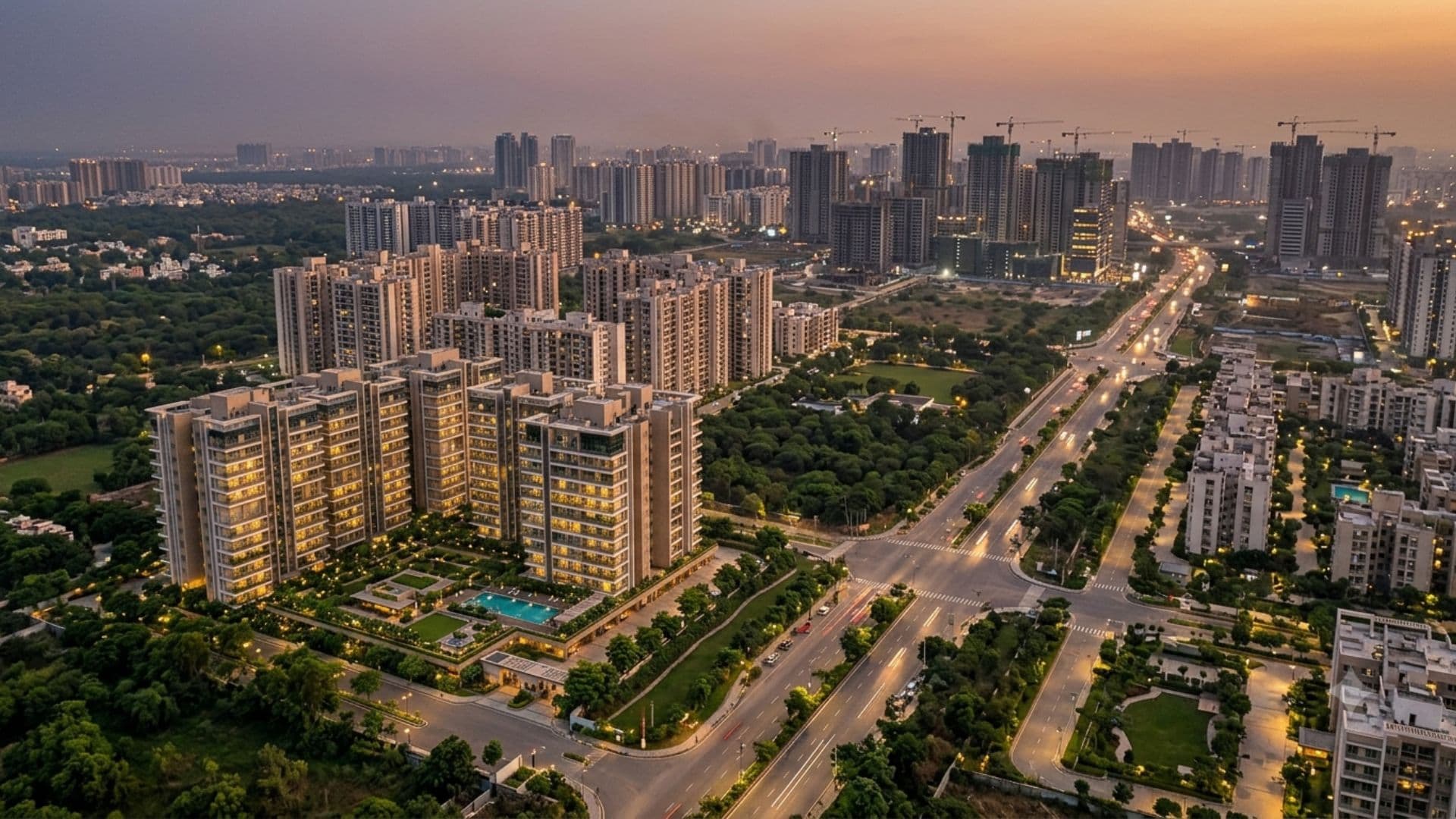
Understanding the Difference Between Flats vs Apartments
Choosing between a flat and an apartment can be confusing because real estate often uses the terms interchangeably. While both typically refer to individual residential units within a larger building, differences in layout, amenities, ownership, maintenance, and lifestyle can influence the overall living experience.
Understanding these factors can help you compare options, evaluate what suits your needs and budget, and make a more informed decision when choosing your next home.
What is a Flat?
A flat is an independent residential unit within a larger building, typically featuring bedrooms, a living area, a kitchen, and bathrooms. The term is widely used in India and British English to describe an individual home within a residential property.
Flats can range from compact residences to spacious family homes, depending on the development.
Common features of flats include:
Self-contained living spaces with private facilities.
Different configurations, such as 1, 2, 3, and 4 BHK.
Shared building facilities, such as staircases, lifts, and parking.
Amenities vary by building and residential community.
What is an Apartment?
An apartment is also a self-contained residential unit within a building or residential complex. The term is common in American English and often associated with modern residential developments.
In India, developers often use the word apartment to describe homes in larger residential communities with shared lifestyle amenities.
Common features of apartments include:
Individual living spaces within a residential building.
Access to shared amenities, depending on the project.
Some developments include community facilities such as landscaped gardens, clubhouses, and fitness areas.
Different layouts and configurations to suit varying household needs.
Apartment vs Flat: What is the Difference?
The difference between flat and apartment is often more about terminology and regional usage than any fundamental difference in the residential unit itself. In India, both terms are generally used interchangeably, and the actual living experience depends on the property's design, specifications, and facilities.
Features | Flat | Apartment |
Meaning | An individual residential unit | An individual residential unit |
Terminology | Common in India and British English | Common in American English |
Home Type | Usually includes bedrooms, bathroom, kitchen & hall. | May vary from studio units & large duplex homes. |
Floors | Single Floor | May span multiple floors |
Building Style | Low-to-mid-rise buildings | High-rise towers or large complexes |
Flat vs Apartment: Which is Better for Your Lifestyle?
Choosing between a flat and an apartment is less about terminology and more about the lifestyle you want. Both can offer excellent living experiences when the property is well-designed, appropriately located, and suited to your needs.
1. Space and Layout
The right layout can make everyday life more comfortable, whether you prefer a compact home or a spacious family residence.
Look for efficient space planning and natural light.
Consider the number of bedrooms and your future requirements.
Check the usable carpet area rather than relying only on advertised built-up areas.
2. Amenities and Community Living
For many modern homebuyers, the surrounding community matters as much as the home itself.
Evaluate security, parking, and maintenance arrangements.
Look for amenities that match your lifestyle.
Consider access to recreational areas, green spaces, and community facilities.
3. Location and Connectivity
A well-located home can make everyday routines more convenient and support long-term desirability.
Assess connectivity to workplaces and major roads.
Check the availability of schools, hospitals, and shopping destinations.
Review existing infrastructure and planned developments before investing.
4. Budget and Long-Term Value
The total cost of ownership extends beyond the purchase price. Buyers should consider recurring expenses and the property's long-term suitability.
Compare the total purchase cost, including applicable charges.
Review monthly maintenance fees, utility expenses, and the overall cost of living in Hyderabad.
Evaluate the developer's track record and the project's legal approvals.
Pros and Cons of Flats vs Apartments
Although flat and apartment are generally used interchangeably in India, buyers often associate them with different types of residential developments. The actual advantages depend on the property's location, design, amenities, and management.
Pros and Cons of Flats
Pros | Cons |
Budget-Friendly Options: Flats are available across a wide range of budgets. | Limited Amenities: Some buildings offer fewer shared lifestyle facilities. |
Practical Living: Often suited to everyday residential needs and family requirements. | Shared Spaces: Common areas may have limited space or become crowded. |
Lower Maintenance in Some Buildings: Smaller developments may have fewer shared facilities to maintain. | Variable Management: Maintenance quality depends on the building's management arrangements. |
Wide Choice of Locations: Available in established neighbourhoods and emerging residential areas. | Fewer Lifestyle Features: Certain developments may lack clubhouses, landscaped gardens, or recreational zones. |
Pros and Cons of Apartments
Pros | Cons |
Lifestyle Amenities: Many modern apartment complexes offer gyms, clubhouses, swimming pools, and landscaped gardens. | Higher Maintenance Charges: Extensive amenities may increase monthly maintenance expenses. |
Enhanced Security: Some developments provide controlled access, CCTV, and dedicated security teams. | Higher Purchase Costs: Premium locations and extensive facilities can increase the overall price. |
Community Living: Shared spaces encourage social interaction and family activities. | Crowded Amenities: Popular facilities may be busy during peak hours. |
Modern Infrastructure: Newer developments may feature lifts, parking, and smart-home features. | Community Rules: Residents may need to follow common regulations governing renovations and shared spaces. |
Market Trends: What Modern Homebuyers Are Looking For
Today's homebuyers value more than just a residence's size. Lifestyle amenities, connectivity, technology, and personalised design are shaping residential preferences.
Lifestyle-Led Amenities: Wellness facilities, recreational spaces, and landscaped gardens.
Smart Living: Technology-enabled security and home automation, where available.
Location Advantage: Convenient access to workplaces, schools, hospitals, and transport networks.
Conscious Luxury: Homes designed around individual preferences and evolving family needs.
Community Experiences: Shared spaces that encourage recreation and meaningful connections.
Radhey Group's conscious luxury philosophy reflects this customer-first approach, focusing on homes and communities designed around modern homeowners' preferences.
Tips for Buying a Flat or Apartment
Choosing the right home requires careful consideration of the property, its location, and the developer. Before making a purchase, evaluate these essential factors:
Set a Realistic Budget: Account for registration, applicable taxes, maintenance, and other ownership costs.
Evaluate the Layout: Check carpet area, ventilation, natural light, and room dimensions.
Research the Location: Consider commute times, nearby facilities, and infrastructure.
Check Developer Credentials: Review completed projects, construction quality, and customer feedback.
Verify Legal Documents: Check title records, sanctioned plans, applicable RERA registration, and the sale agreement. Use this apartment buying document checklist to stay on track.
Consider Future Needs: Choose a home that can accommodate your family's changing requirements.
Which Is Better to Buy: A Flat or an Apartment?
In India, a flat and an apartment generally mean the same thing, so neither is inherently better. The right choice depends on the property's quality, location, amenities, budget, and suitability for your lifestyle.
Your Priority | What to Look For |
Affordability | A property that fits your overall budget |
Premium amenities | Facilities that genuinely suit your lifestyle |
Family living | Functional layouts, open spaces, and recreational areas |
Everyday convenience | Good connectivity and well-maintained common facilities |
Long-term value | A suitable location, credible developer, and sound documentation |
For buyers seeking thoughtfully planned spaces and family-oriented community living, Radhey Group's conscious luxury philosophy offers a customer-centric perspective. Its Radhey SKYE project offers flats for sale in Kollur that combine family-focused planning with extensive lifestyle amenities.
Ultimately, the better purchase is the home that balances your financial plans, location preferences, legal security, and everyday living needs.
How to Choose the Right Home with Confidence
Before you buy, evaluate the property against your current needs and future plans.
Define Your Requirements: Identify your preferred configuration, budget, and lifestyle priorities.
Research the Location: Assess connectivity, social infrastructure, and neighbourhood development.
Verify the Documentation: Check title records, applicable approvals, RERA registration where required, and the sale agreement.
Evaluate the Developer: Review completed projects, construction quality, and available documentation.
Understand the Costs: Account for registration, taxes, maintenance, and other applicable charges.
Conclusion: Choose the Living Experience, Not Just the Label
The difference between flat and apartment is largely a matter of terminology in the Indian residential market. Both can offer comfortable, well-designed homes, and neither term alone guarantees superior quality, amenities, or investment value. What truly matters is how well the home matches your preferences, the development's quality, and the convenience of its location. With its focus on conscious luxury and customer-centric living, Radhey Group brings this perspective to its residential developments, including Radhey SKYE in Kollur.
Frequently Asked Questions
People often use the terms interchangeably; both refer to a residential unit within a larger building.
Yes, in most real estate contexts, they refer to individual residential units in a multi-unit building.
Consider location, size, layout, amenities, budget, and maintenance requirements.
Yes, apartments can offer convenient layouts, shared amenities, and a sense of community.
Amenities may include fitness areas, landscaped spaces, parking, security, and recreational facilities.